Monthly Features
Our monthly features work to highlight important work being done in the lab including publications, posters, conferences, etc. Please check back every month to see what we are featuring!
August 2026:
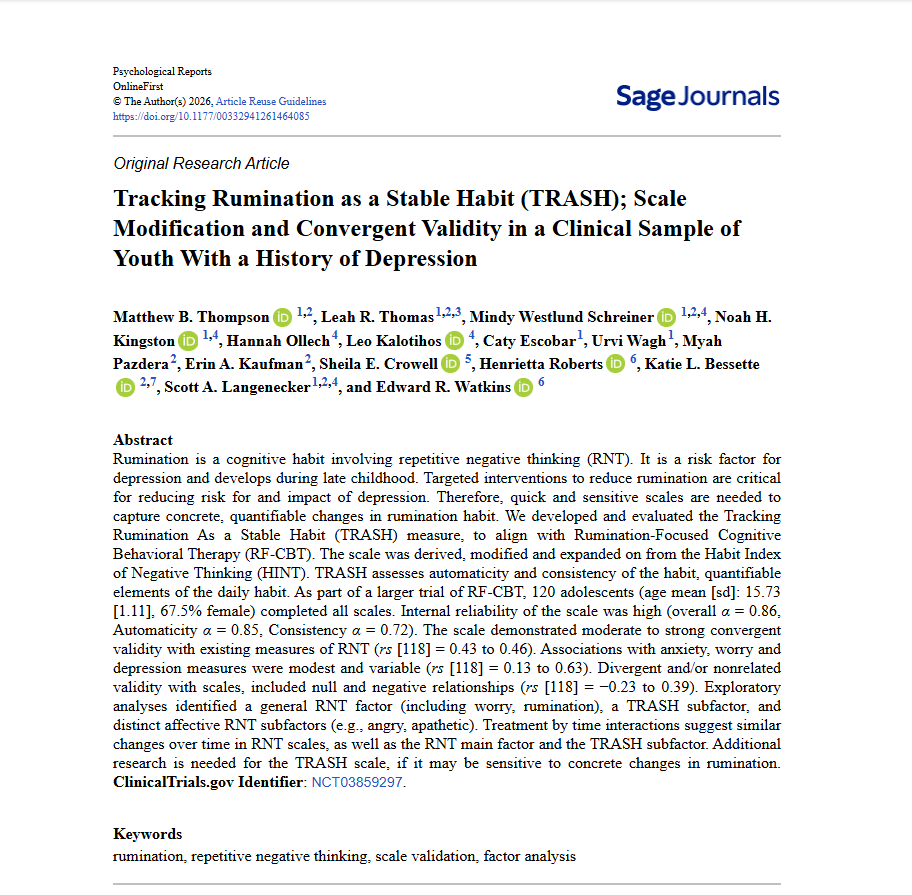
Rumination is a risk factor for depression and develops during late childhood. With these, quick and sensitive scales are needed to capture the ruminative habit in youth. The Tracking Rumination as a Stable Habit (TRASH) measure aligns with Rumination-Focused Cognitive Behavioral Therapy (RF-CBT) and was tested amongst 120 adolescents in RF-CBT. Internal reliability of the scale is high, and the scale demonstrates moderate to strong convergent validity with existing measures of repetitive negative thinking.
July 2026:
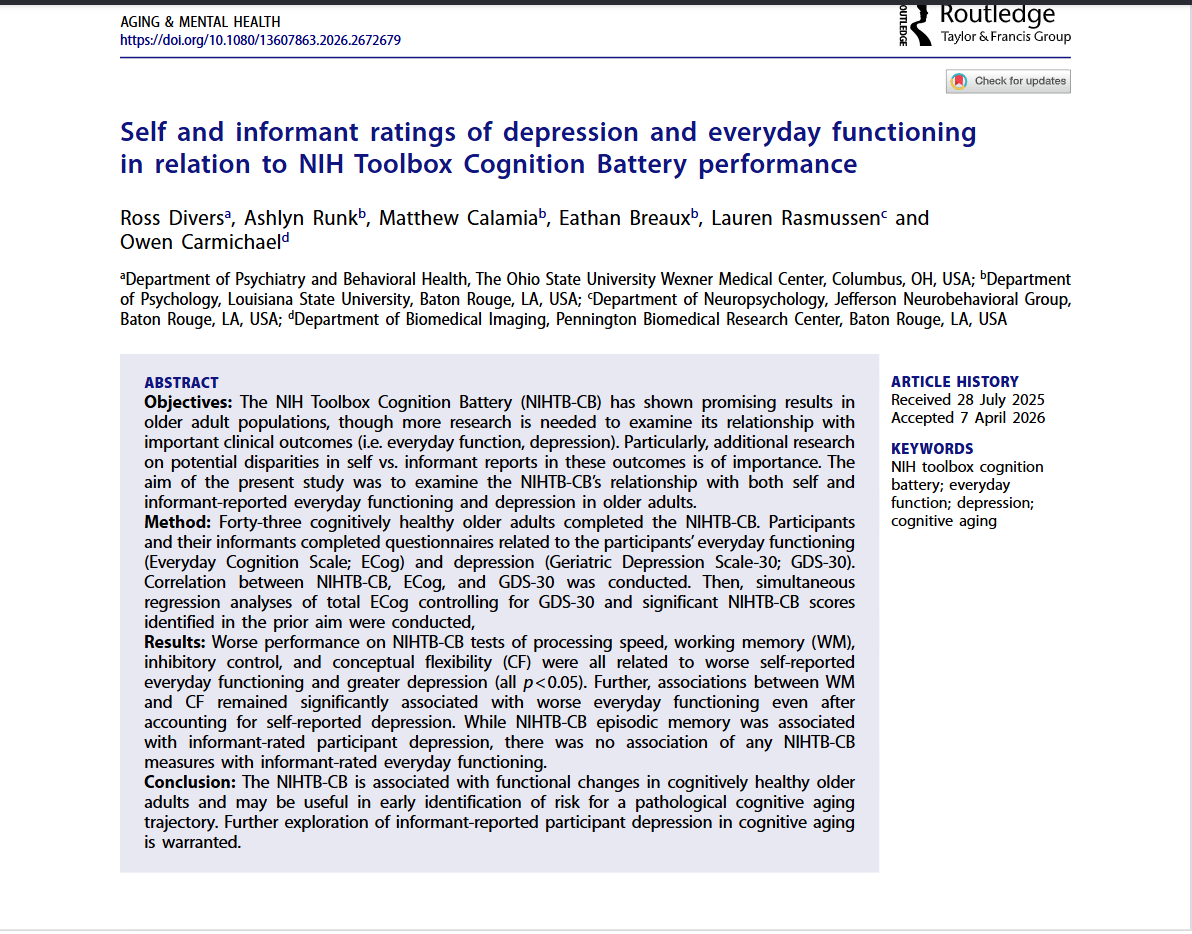
Forty-three cognitively healthy older adults completed the NIH Toolbox Cognition Battery (NIHTB-CB), and their informants completed questionnaires relating to the participants’ everyday functioning and depression. The results show that worse performance in NIHTB-CB tests of processing speed, working memory, inhibitory control, and conceptual flexibility were all related to worse self-reported functioning and greater depression. Additionally, working memory and conceptual flexibility were associated with worse everyday functioning after accounting for depression. Notably, there was no significant association with any NIHTB-CB measure with informant-rated everyday functioning.
June 2026:
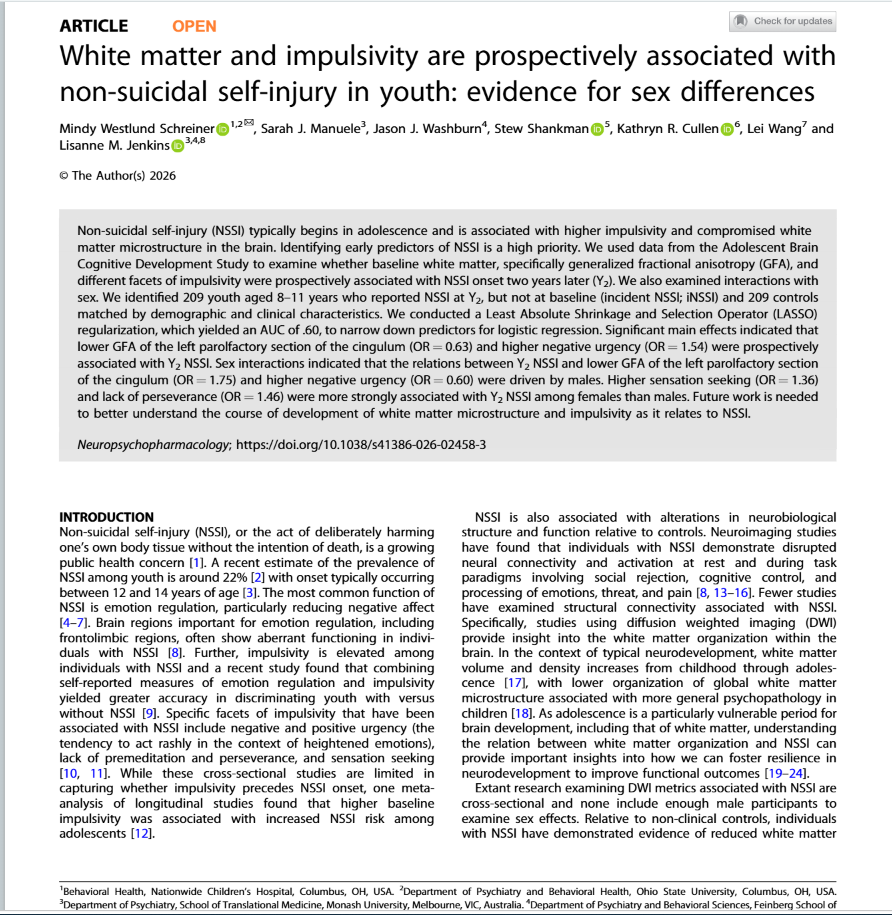
Using data from the Adolescent Brain Cognitive Development Study, 209 adolescents aged 8-11 who reported non-suicidal self-injury (NSSI) 2 years later and 209 matched healthy controls completed MRI scanning. Results suggest that both brain white-matter structure and impulsivity traits predict later NSSI, but these patterns differ between males and females.
May 2026:
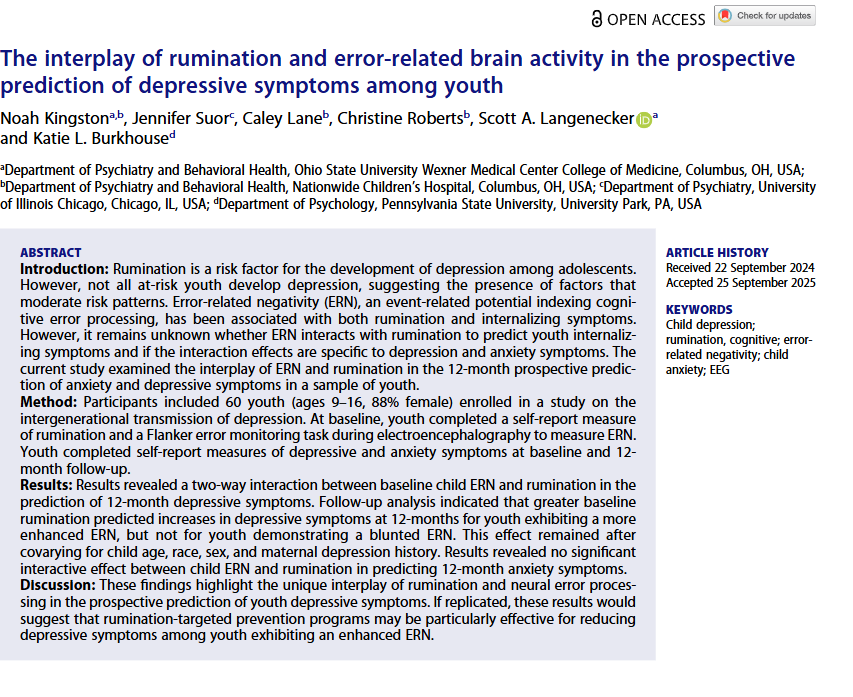
Adolescents (N=60; ages 9-16) completed self-report measures for rumination, anxiety, and depressive symptoms and a Flanker error monitoring task while in an EEG. Results revealed that adolescents who are more sensitive to mistakes and tend to ruminate are at greater risk of developing depressive symptoms 12-months later, but this same relationship is not seen in those who tend to ruminate but are not sensitive to mistakes.
April 2026:
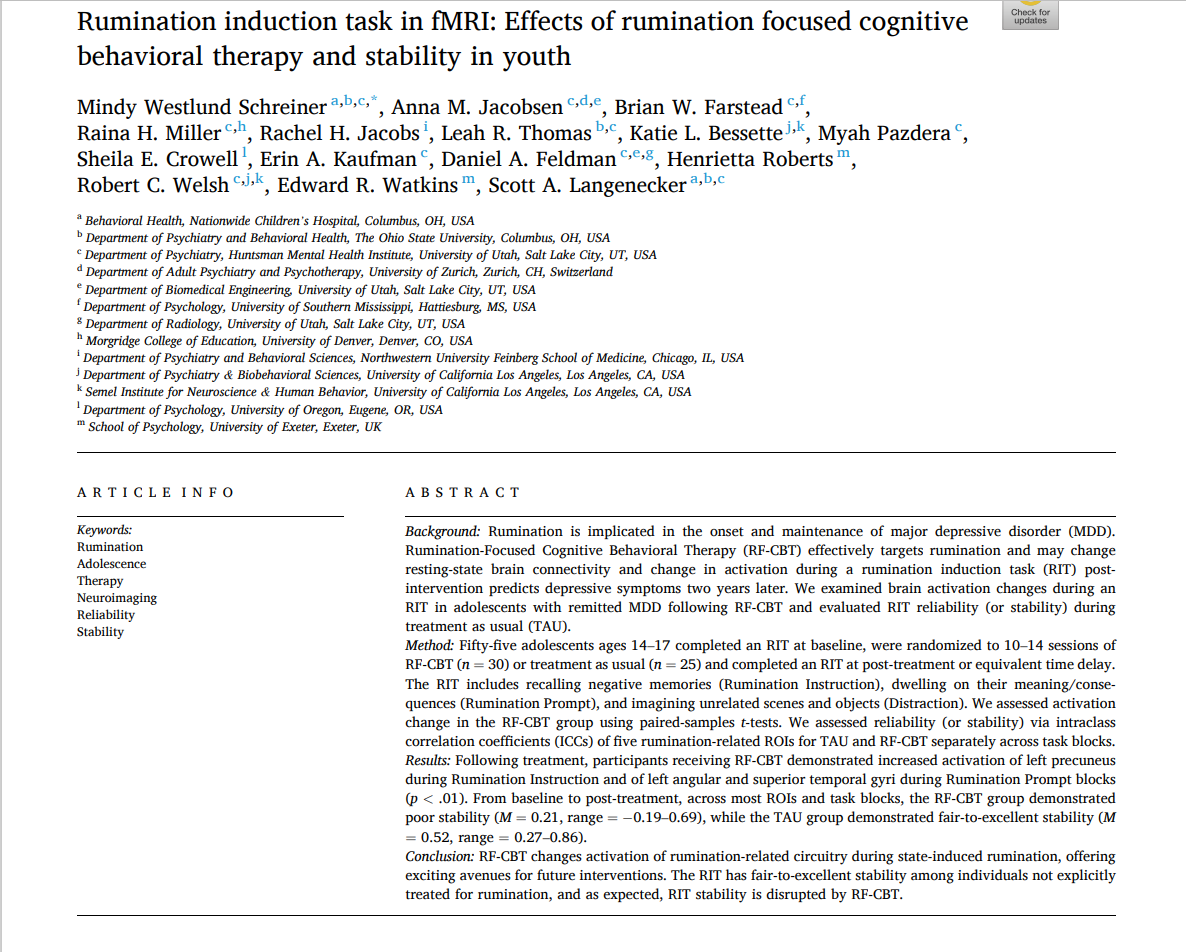
Adolescents (n=55; ages 14-17) with remitted depression completed a rumination‑induction task before and after either Rumination‑Focused CBT or treatment as usual. The study aimed to determine whether RF‑CBT changes brain activation during induced rumination and whether the task itself shows stable neural responses over time. RF‑CBT led to increased activation in rumination‑related regions. RF‑CBT appears to change how the brain processes rumination. After therapy, adolescents showed increased activation in regions involved in rumination, memory, and meaning‑making.
March 2026:
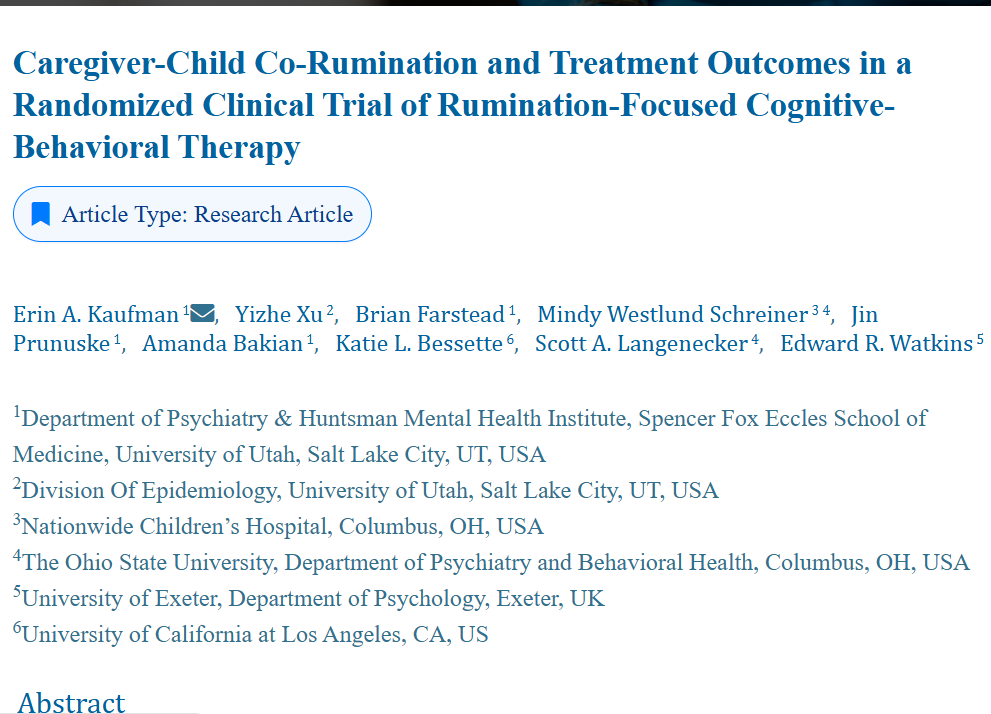
This publication looks at the relationship between a caregiver rumination, co-rumination, and how these may affect a caregiver’s views on their child’s psychopathology of interferes with their child’s treatment for their psychopathology. After looking at over 70 adolescents in RF-CBT or in treatment-as-usual, results indicate that caregiver-child co-rumination and caregiver rumination does not bias caregivers’ views of their child’s depression symptoms.
February 2026:
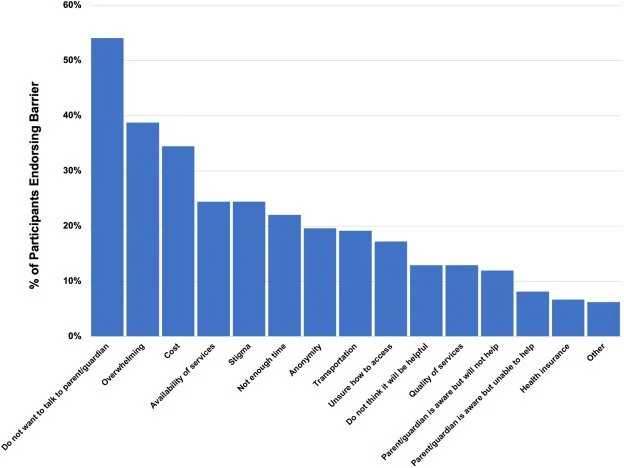
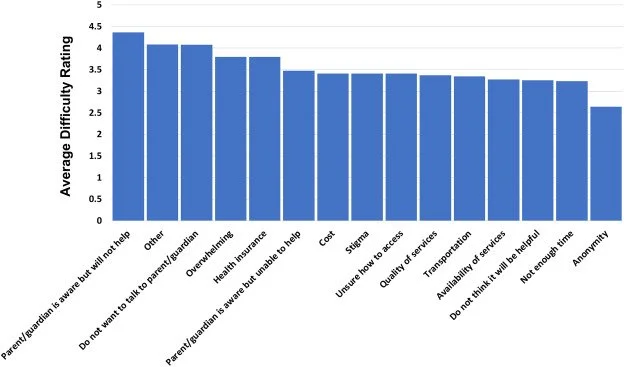
This publication discusses the effectiveness of youth using a specific cursus line service called SafeUT, and the importance of having effective crisis line services. Over 200 youth completed at least part of the survey distributed. In the 2 weeks preceding the survey, 50% of those youth engaged in self-injurious behaviors, but following their SafeUT encounter, youth indicated significant reduction in the intensity of their current concerns.
January 2026:
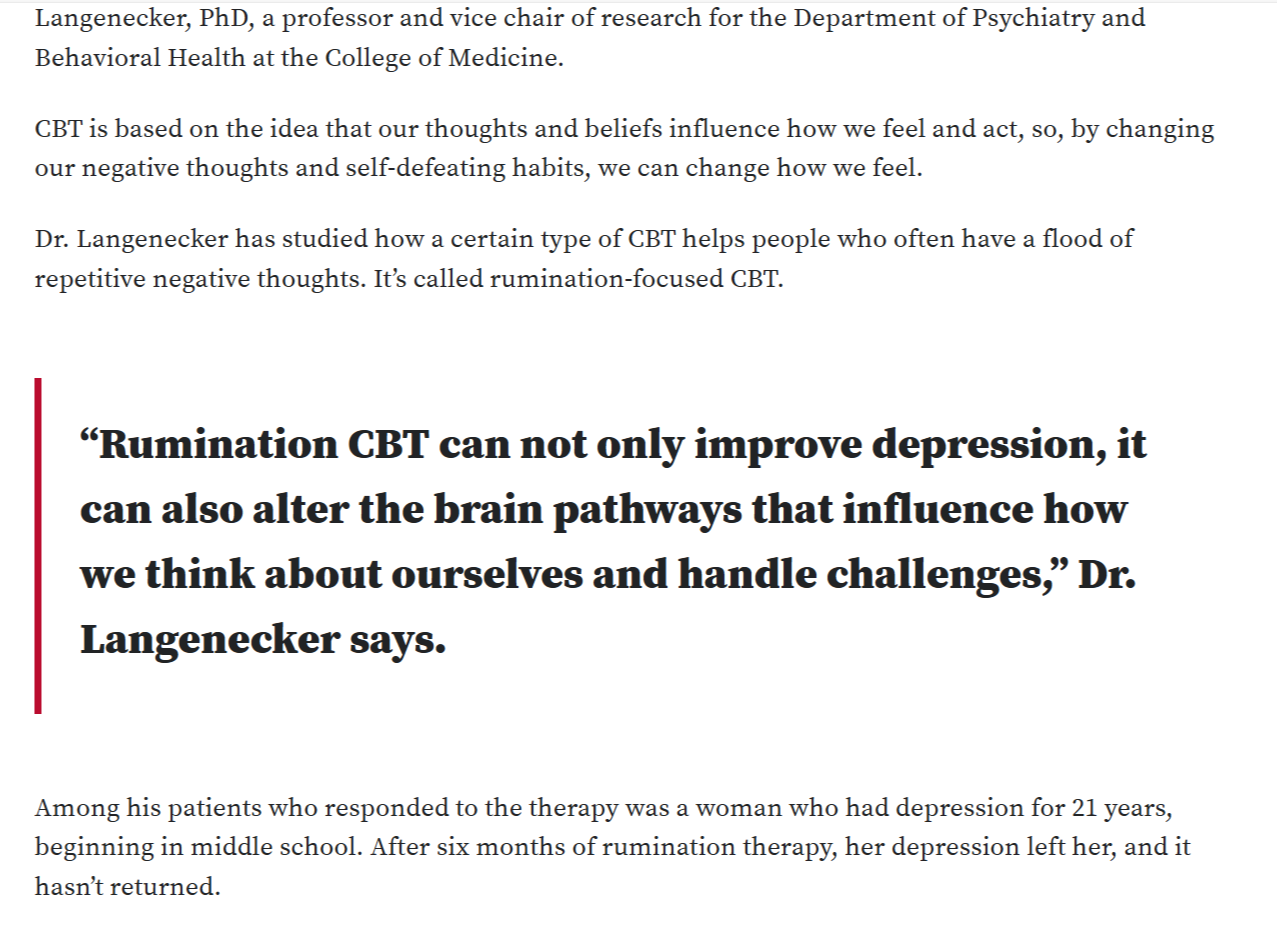
This piece dives deeper into the various treatments and factors of depression that are being researched every day by some of Ohio State’s best researchers, including our own Dr. Scott Langenecker. Take a look at this piece to learn more about the new and innovative treatments being researched at Ohio State, and factors of depression that work together to influence of depressive symptoms.
December 2025:
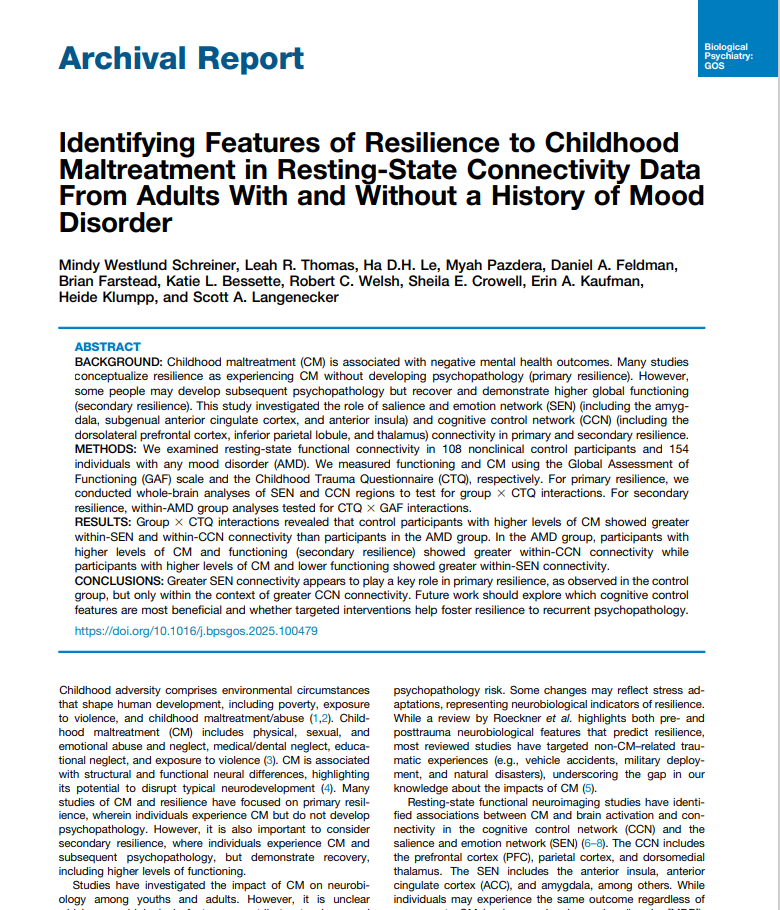
In a sample of 108 nonclinical control participant and 154 individuals with any mood disorder, resting state functional connectivity was measured in connection to primary and secondary resilience, salience and emotion network (SEN), and cognitive control network (CCN). Results revealed that controlled participants with higher levels of childhood maltreatment showed greater within-SEN and within-CCN connectivity then participants with any mood disorder.
November 2025:
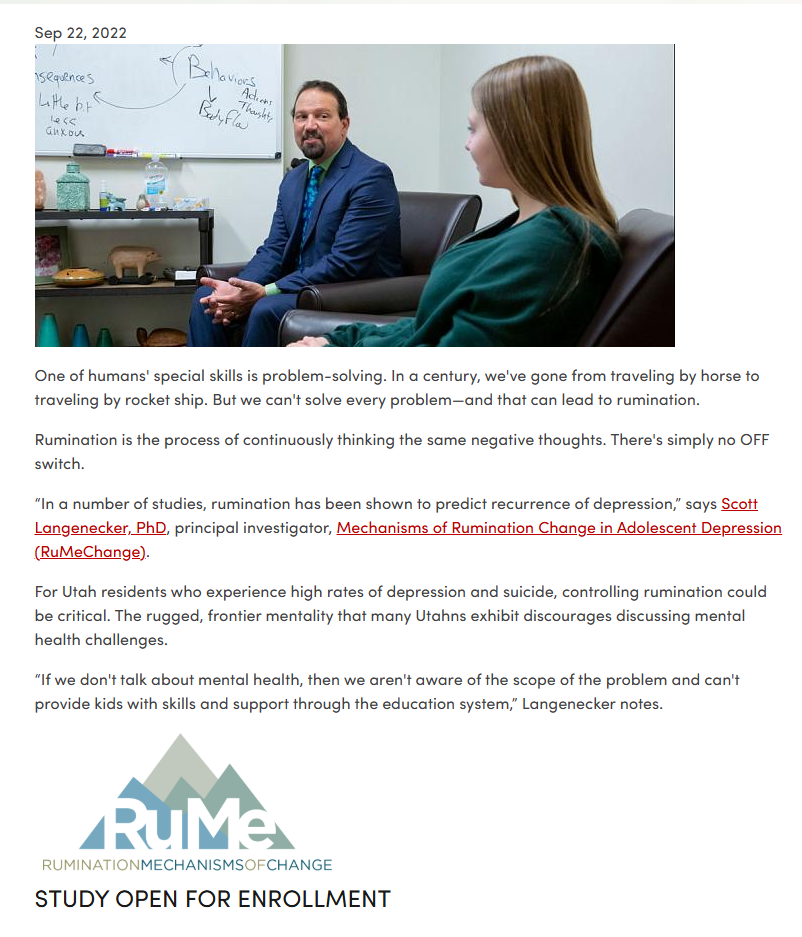
Originally from the University of Utah, the RuMeChange Study continues to address the concern of rumination in teens and educates them in the important of mental health and problem-solving. We have since moved this study to the Ohio State University where we are still enrolling teens and parents into the RuMeChange Study. Check out our Current Studies to learn more about enrollment and the RuMeChange Study!
October 2025:
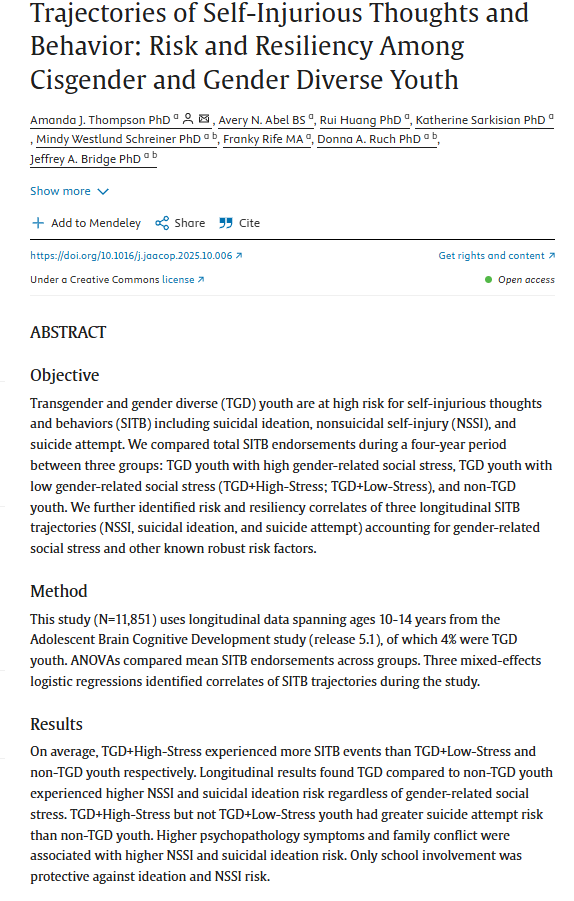
In a sample of adolescents ages 10-14 (n=11,851; 4% transgender or gender diverse (TGD)), self-injurious thoughts and behaviors (SITBs) were compared during a 4-year period between different groups. Results show that TGD adolescents experiencing high social stress experienced more SITBs than TGD adolescents experiencing low stress and non-TGD adolescents, TGD adolescents, regardless of social stress, experienced higher SITBs compared to non-TGD adolescents, and higher psychopathology symptoms and family conflict were associated with higher suicidal ideation risk.
August 2025:

In a sample of older adults classified as having Mild Cognitive Impairment, six symptom classes for depression were revealed to understand how different symptoms of depression effects cognition in older adults. It was revealed that different symptoms of depression have varying results on cognition in older adults, and anhedonia should the most substantial decline in comparison to the other symptom classes.